

Our Work in South Sudan
Welcome to our South Sudan page, where we showcase our activities and achievements in helping vulnerable populations, IDPs and host communities. We invite donors, volunteers, and beneficiaries to learn more about our successful initiatives and the impact we're making. Join us in our mission to create a better future for the people of South Sudan.
Successful Activities
We are proud of the successful activities we've implemented in South Sudan. Our programmes focus on addressing critical needs and empowering communities to thrive. Learn more about our specific projects and their positive outcomes.

Achieved Goals
We are committed to achieving meaningful goals that improve the lives of vulnerable populations and host communities in South Sudan. Discover how we measure our impact and the progress we've made towards creating sustainable change.

Supporting Vulnerable Populations
Our work is dedicated to supporting the most vulnerable populations in South Sudan. Find out how we provide essential resources, build resilience, and promote inclusivity to ensure everyone has the opportunity to thrive.
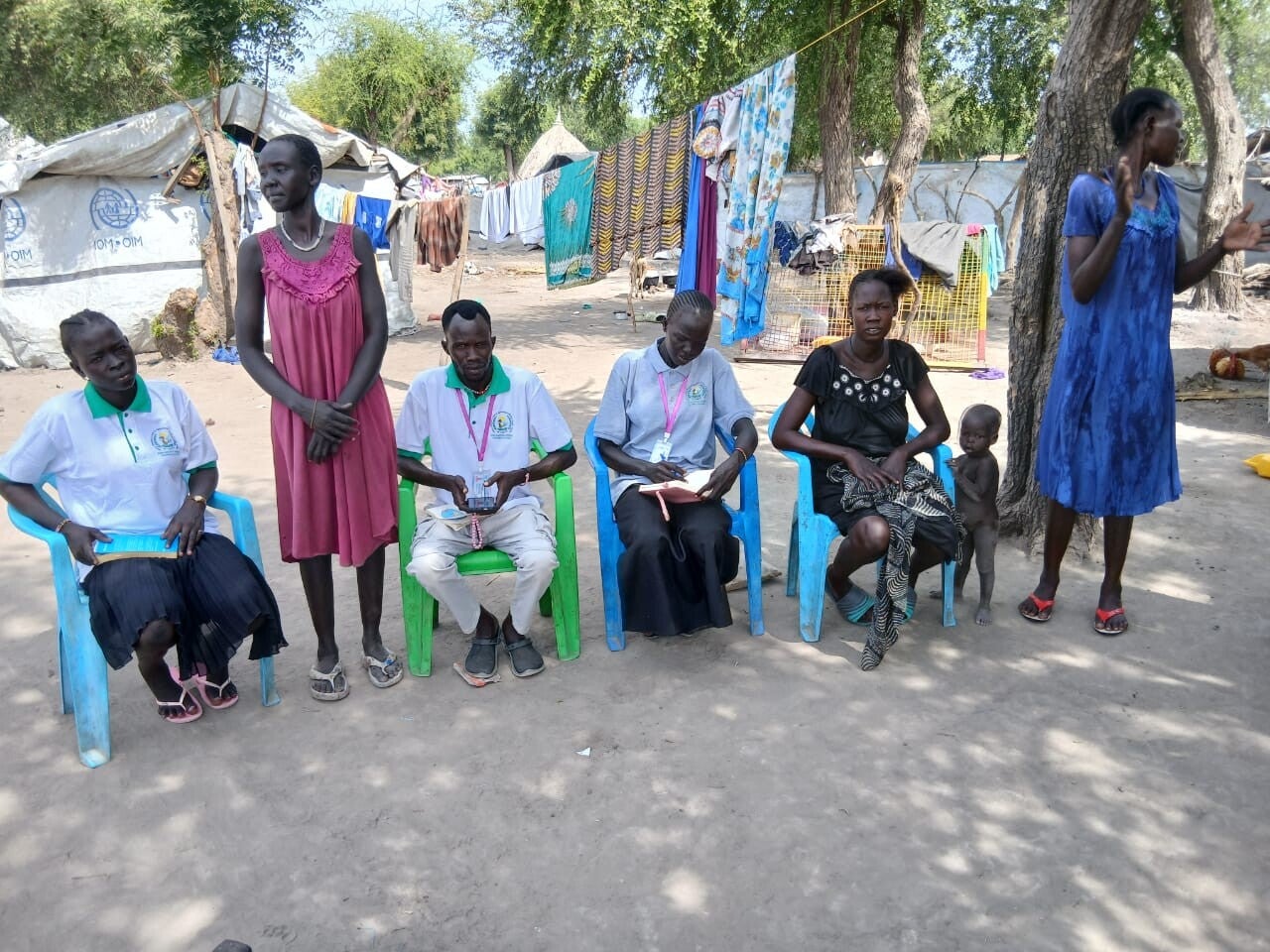
View our latest work in Fangak county at Paguir payam
Discover our collection of creative work and visual projects at old fangak county in paguir payam. Each piece showcases our attention to detail and commitment to delivering results that exceed expectations.
below is our fsl assessment in paguir payam at old fangak county


Food Security and Livelihoods Assessment Report
Location: Old Fangak County, Paguir Payam
Date of Assessment: 01 December 2025
Conducted By: World Women’s Team and Agriculture Mission South Sudan (W'TAMSS)
1. Introduction
This Food Security and Livelihoods (FSL) Assessment was conducted in Paguir Payam, Old Fangak County, on 1 December 2025 by the World Women’s Team and Agriculture Mission South Sudan (W'TAMSS). The purpose of the assessment was to understand the current food security situation, livelihood conditions, coping mechanisms, and humanitarian needs of communities affected by recurrent flooding, conflicts and limited market access, and ongoing socio-economic vulnerabilities.
2. Objectives of the Assessment
-
To determine household food availability, access, and consumption patterns.
-
To assess the status of livelihoods, including crop production, livestock, fishing, and income opportunities.
-
To identify key shocks affecting community welfare and resilience.
-
To generate evidence-based recommendations for WFP and partners.
3. Methodology
The assessment used the following approaches:
-
Key Informant Interviews (KIIs): Local authorities, women group leaders, youth representatives, and traders.
-
Household Interviews: 3500 households sampled across Paguir Payam.
-
Direct Observation: Market conditions, crop fields, homestead food stocks, and flood-affected zones.
-
Focus Group Discussions (FGDs): Three FGDs (women, men, youth).
4. Findings
4.1 Food Availability
-
Most households rely heavily on humanitarian food assistance due to limited agricultural harvest.
-
Seasonal flooding in 2024 and 2025 destroyed crop fields, reducing sorghum, maize, and vegetable production.
-
Fishing remains a major food source, but catches have decreased due to overfishing and prolonged floods.
4.2 Food Access
-
Old Fangak has no functioning road network; market access is restricted to canoe and boat transport.
-
High food prices due to long supply chains limit household purchasing power.
-
Labor opportunities are scarce; households depend on bartering and small-scale income activities.
4.3 Food Consumption
-
Majority of assessed households are consuming two meals per day, mainly cereals and fish.
-
Dietary diversity is low; very limited access to vegetables, fruits, and protein sources.
4.4 Livelihoods
-
Crop farming is minimal due to persistent flooding and lack of tools and seeds.
-
Livestock numbers have declined due to diseases and lack of pasture.
-
Fishing is the primary livelihood, followed by small-scale firewood collection and handicrafts.
4.5 Coping Mechanisms
-
High use of stress and crisis-level coping strategies such as reducing meal frequency, borrowing food, and selling household items.
-
Some households have resorted to consuming wild foods.
5. Vulnerable Groups
-
Female-headed households.
-
Households with malnourished children.
-
Elderly persons and persons with disabilities.
-
IDP households displaced due to flooding.
6. Key Challenges
-
Continued seasonal flooding affecting housing and agriculture.
-
Long distances to markets and inadequate transport.
-
Limited access to health, nutrition, and education services.
-
Declining fishing yields.
7. Recommendations
-
Scale up food assistance for vulnerable households.
-
Support communities with flood-resilient agriculture (e.g., raised-bed gardening).
-
Provide fishing gear, canoes, and post-harvest preservation tools.
-
Introduce livelihood diversification activities such as poultry and vegetable production.
-
Strengthen women-led livelihood groups with skills training and start-up kits.
-
Support community-based disaster risk management.
8. Conclusion
Paguir Payam remains highly vulnerable to food insecurity due to recurrent flooding, limited livelihood options, and restricted market access. Immediate food assistance combined with long-term livelihood strengthening is essential for enhancing community resilience. W'TAMSS recommends a multi-sectoral intervention aligned with WFP and partner priorities.
Prepared by:
World Women’s Team and Agriculture Mission South Sudan (W'TAMSS)
Date: 01 December 2025
"The World Women's Team and Agriculture Mission South-sudan has made a significant difference in our community. Their dedication and hard work have truly impacted our lives."
A grateful beneficiary from South Sudan